Facing a dental emergency? Don’t wait—fast treatment can make all the difference. Reach out to our team immediately and let us help relieve your pain and protect your smile. Not sure if your issue qualifies as an emergency? Keep reading for helpful guidance.
.png)
.webp)
.webp)
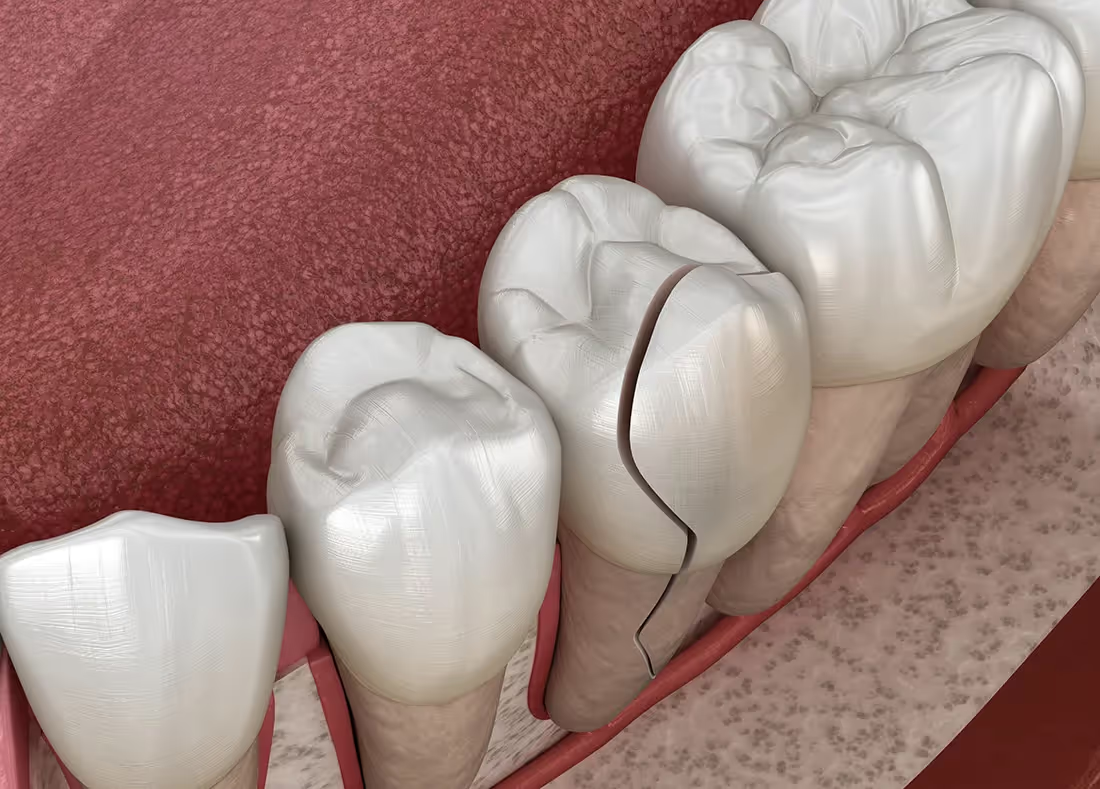
Do I need emergency dental care?
It’s not always easy to know when dental issues need urgent care. But if you’re in serious pain, have had a sudden injury to your mouth, or notice something out of the ordinary—like a loose crown or swelling—it’s best to get in touch with us right away. We’ll listen to your concerns, walk you through next steps, and offer advice to help manage your symptoms until we can see you in the office.
Implant Solutions — Personalized, Not One-Size-Fits-All
Every smile is different. We’ll help you choose the right implant option based on your bone, bite, and long-term goals — with financing available.
Single Dental Implant – Starting at $3,500
Single Dental Implant
As low as $99/month
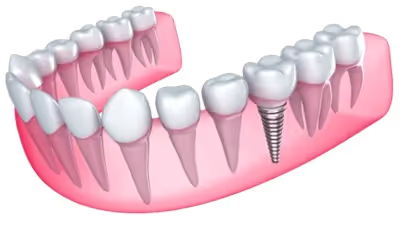
- Implant, abutment, and crown included
- Eat, smile, and speak with confidence again
- The closest thing to a natural tooth
Snap-In Dentures – Say Bye to Loose Dentures
Snap-In Dentures
As low as $299/month
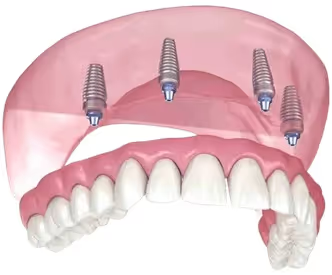
- 4 implants per arch (upper or lower) for a secure fit, no more slipping dentures
- No more slipping dentures — eat and smile with confidence
Teeth in a Day – Best Full Arch Implant options
full-arch implants (All-on-4/6)
As low as $499/month

- Walk in with bad teeth, walk out the same day with a brand-new smile
- Extractions, implants, and same-day fixed bridge included
- Eat the foods you love again — with confidence
Did you know…

Dental emergencies are more common than you think - about 1 in 6 Americans experience a dental emergency each year.
Ready to
schedule your appointment?
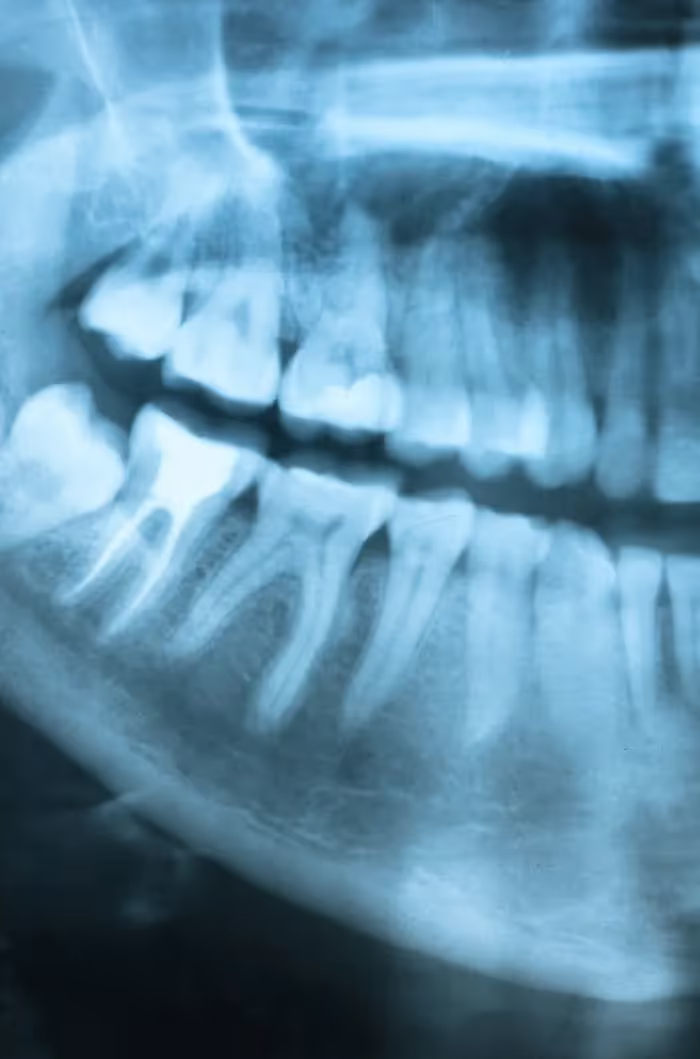
Digital X-Rays & Imaging
Better diagnostics means better results. With modern imaging techniques, we can quickly and accurately assess your dental emergency, and create a treatment plan right away, so you can relieve your dental pain and get back to your life.

Problem-Focused Exams
When issues arise, our team can perform problem-focused exams (also known as limited exams) to help address the issues. Limited exams allow us to focus on what’s hurting or injured so we can get you out of pain and back to normal again.

Same-Day Care
During a dental emergency, everything can happen so fast. If need to get help right away, give us a call and we’ll do our best to get you in on the same day.

After Hours Appointments
Dental emergencies don’t always strike during regular business hours. That’s why we offer after hours appointments so you can get the care you deserve, when you need it most.

In-House Treatment
Get the treatment you need right away, without waiting on a referral. We provide comprehensive dental care all under one roof, including root canals and oral surgery, so you can get out of pain and back to smiling!

Immediate Implants
Losing a tooth leaves you with a gap in your smile; fill that gap right away with immediate implants. Dental implants can stop you from losing bone mass while restoring your bite, but the longer you go without a tooth, the more likely you are to lose bone, so timely care is crucial. If you've lost a tooth, or require an extraction, ask us if a dental implant is right for you.
The Benefits of Emergency Dentistry
Fast Relief From Pain
Don’t let pain control your day. Our team is ready with solutions to ease discomfort and get you feeling better, fast.
Restore Your Smile
Injuries and infections can affect your appearance and your confidence. Emergency treatment helps you smile again with pride.
Prevent Bigger Problems
Left untreated, small dental issues can lead to serious complications. Emergency care stops problems before they escalate.
What do I do in a Dental Emergency?

Keep Calm & Reduce Bleeding
Dental emergencies can be stressful, but staying calm helps you think clearly and act quickly. If there’s bleeding, gently rinse your mouth with warm water and use a sterile gauze or clean cloth to apply light but steady pressure. Hold it in place for 10–15 minutes or until the bleeding slows down. If a tooth has been injured, avoid touching or disturbing the area. Keeping calm will help you get through those first few critical moments until you can get professional help.
Control Swelling & Pain
For most dental injuries, you can manage pain and swelling temporarily at home. Use over-the-counter medications like ibuprofen or acetaminophen to control discomfort, but steer clear of aspirin—it can thin your blood and worsen bleeding. You can also apply a cold compress or ice pack to the outside of your cheek near the affected area in 10-minute intervals. This not only eases inflammation but can also help you feel more in control while you wait to be seen.
Call Us Right Away
Once you’ve managed your symptoms, the most important next step is to call our office. Whether you’re dealing with a knocked-out tooth, broken dental work, or unexplained pain, our team is trained to triage emergency calls and will guide you through what to do next. In many cases, we can fit you in the same day or next day. The sooner we can assess the damage, the better our chances of preserving your smile and preventing complications.
Before & Afters
A smile is worth 1,000 words.

Frequently Asked Questions
What should I expect during an emergency dental visit?
%402x%20(2).svg)
When you visit an emergency dentist, like Dr. Yenan Xu at 803 Dental, you can expect a thorough and compassionate approach to your dental emergency. The visit typically begins with an assessment of your symptoms and a discussion about the events leading up to the emergency. This helps the dentist understand the nature of the problem and determine the most appropriate course of action.
Next, the dentist will conduct a detailed examination of your mouth, teeth, and gums. This may involve taking X-rays to get a clearer picture of the issue. Once the examination is complete, the dentist will discuss their findings with you and recommend a treatment plan tailored to your specific needs. The goal is to alleviate pain, address the immediate concern, and prevent any further complications.
Throughout the process, Dr. Xu and his team at 803 Dental prioritize patient comfort and ensure you are informed and involved in every step of your treatment.
What should I do if my dental work has fallen out?
If a dental restoration falls out, try to keep it safe and bring it with you in a sealed plastic bag or small container. Avoid chewing on that side of your mouth, and stay away from very hot, cold, or sugary foods that could irritate the exposed tooth. A lost filling or crown can leave your tooth vulnerable to bacteria and damage, so don’t delay. Contact our office and let us know what happened—we’ll do our best to get you in quickly and restore your smile.
What should I do about a severe toothache?
A toothache that lasts more than 1–2 days, especially if it’s throbbing, may be a sign of infection or an abscess. Try rinsing with warm salt water, applying a cold compress, and using OTC pain relief to stay comfortable. But remember, these are only temporary fixes. A dentist needs to assess the cause of the pain to provide long-term relief. Depending on the severity, we may recommend a root canal or other treatment to save the tooth and prevent the infection from spreading.
What should I do about a loose tooth?
If your tooth has been knocked loose from trauma or an accident, you may still have a chance to save it—but you need to act fast. Refrain from wiggling or pressing on the tooth with your fingers or tongue, as this can worsen the injury. Call our office right away. If treated early, we can often stabilize the tooth with a splint and give it time to heal and reattach to surrounding bone and gum tissue. Waiting too long could lead to tooth loss, so don’t delay reaching out.